
Max Gorby
With 27 years defending DUI cases in California, I’ve dismissed hundreds of charges and kept licenses intact. Specializing in both first-offense reductions, multiple offenders and complex felony defenses.
Clients say I’m the guy who turns panic into victory. I use a flat fee structure and I am available for a free consultation 7 days a week.
Text Me at (310) 200-9651 to set up a conversation.
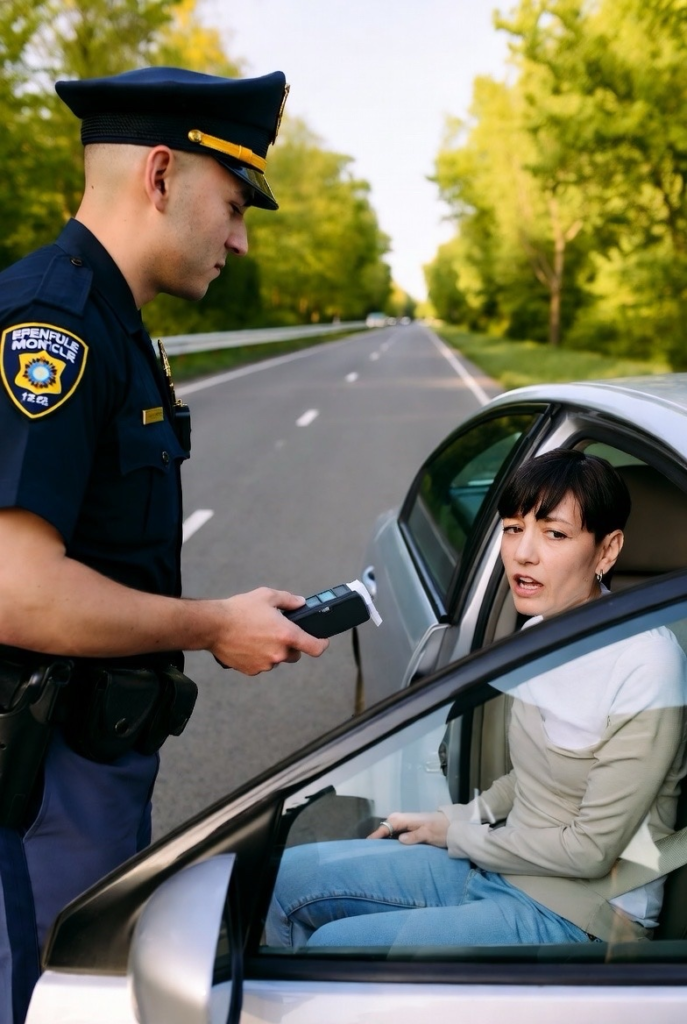
Facing DUI charges can be intimidating. The prosecutors are very experienced because this is the most common charge. One of the reasons why this charge is so common is because the standard to be considered intoxicated has been lowered from .10 to .08. This is a low standard because science has shown that it doesn’t take a lot of alcohol to delay your reaction time on the road. However, the good news is that there are a lot of defenses regarding DUI.

Rising Alcohol Defense
The first defense is called the rising alcohol defense. Essentially, let’s say if you consume a lot of alcohol right before you get into a vehicle and then you immediately start to drive. If you get pulled over shortly thereafter and it took the police maybe an hour or two to take either a breath or a blood test, the results of the test is not necessarily indicative of what your blood alcohol level was at the time of driving. It takes time for your body to ingest to the alcohol into your bloodstream.
Let us review the chart below:
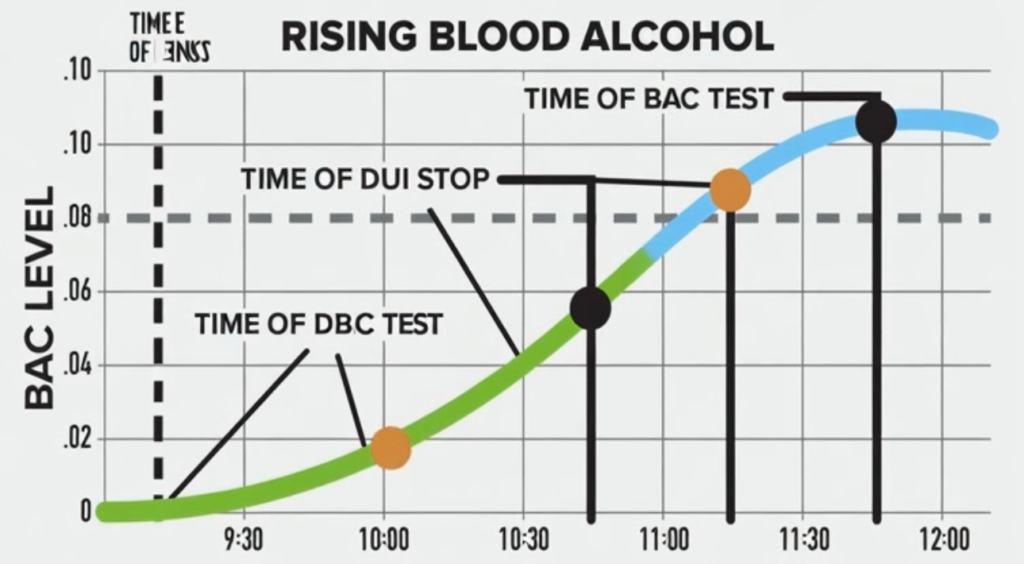
The moment from when you start drinking until about an hour later, you are still under the legal limit of intoxication. The entire time you are in green on this chart you are not driving above the legal limit with alcohol therefore you are not guilty of this charge.
Breath Machine Failures
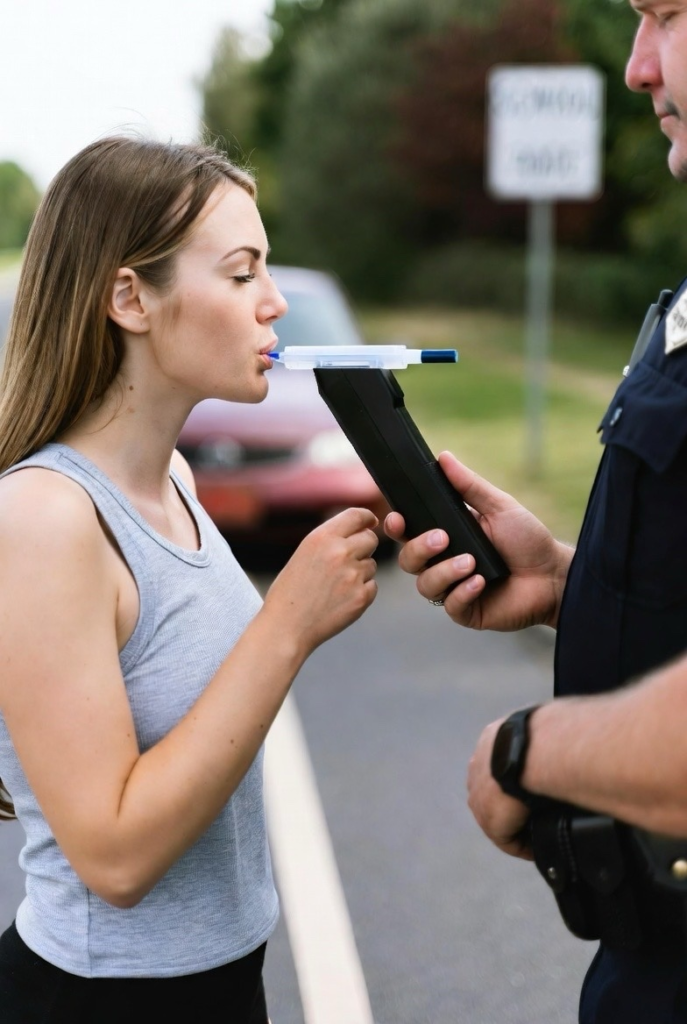
There are a few reasons why the breath machine may not read the level of alcohol in your body correctly. The first is that the officer failed to comply with title 17. Title 17 outlines the procedures that California has set up so that the breath machine is as accurate as possible. The breath sample must come deep from the lungs. If it is a shallow breath, the machine will be reading alcohol in the mouth which will be higher. The person providing the sample must be observed for 15 minutes prior to the sample given to confirm that the driver did not eat, drink, smoke, vomit, or regurgitate. Doing any of these things prior to submitting a sample into the breath machine will make the results innacurate. Finally the breath machine must be tested or calibrated every ten days. When Title 17 is violated, the charges will likely be dismissed or reduced to something other than driving under the influence.
The second reason to attack the breath machine is from medical conditions:
Acid reflux (GERD):
This condition can cause alcohol vapors from the stomach to rise into the mouth, which can inflate the breathalyzer’s reading.
Diabetes:
Diabetics can produce a chemical called acetone in their breath, which some breathalyzers can mistake for alcohol.